Advancing Knowledge,
Improving Lives
Stanford Medicine is an integrated academic health system comprising our school of medicine and pediatric and adult health care delivery systems. Together, we harness the full potential of biomedicine through collaborative research, education, and clinical care for patients of all ages.

From Bench to Bedside
Our research informs and enhances our patient care, and what we learn from clinical practice and trials enables vital discoveries and innovations. Precision health is at the core of what we do: preventing disease before it strikes and treating it decisively when it does.
Accelerating Breakthroughs
Working together, Stanford Medicine is expanding what we know about science and medicine every day. Collaboration between our organizations helps breakthroughs happen faster and reach wider, improving outcomes both here and around the globe.
Research

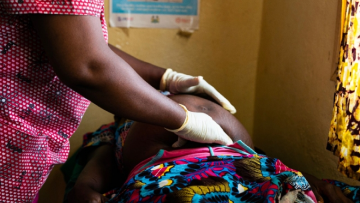
Long COVID: a range of Stanford Medicine clinical trials and studies aim to identify the causes and right treatments.

To speed the translation of discoveries to clinical care, Stanford Medicine and Northpond Ventures launch Northpond Laboratories.
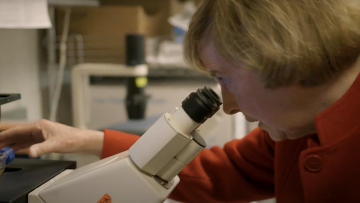
The Stanford Cancer Institute is focused on pushing the limits of what we can do and what we know. Discover the future of cancer.

We lead the way in expanding knowledge about COVID-19; now researchers find nasal injections could treat long-term smell loss.

Education

Responsible AI for Safe and Equitable Health: Stanford Medicine and the Stanford Institute for Human-Centered AI join forces.

Meet some of the many people who promote Stanford Medicine's commitment to LGBTQ+ education, care, and advocacy.

Stanford Health Care is named a top teaching hospital by The Leapfrog Group, a leader in U.S. hospital quality ratings
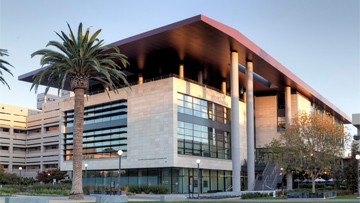
New Stanford School of Medicine master’s program trains students in taking basic science research findings from the lab to patient care


Care

Safeguarding teens’ well-being on social media: a new law, advice for parents, and how teens can help design safer platforms.

Championing better care for all: as advocates, Stanford Medicine women take their expertise into their communities and beyond.
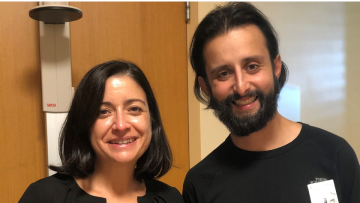
When pediatric cancer lasts into adulthood, Stanford Medicine children’s and adult care teams collaborate to provide specialized treatment

Stanford Medicine surgeon saves a guardsman’s life with a complex heart surgery, part of our long tradition of breaking ground in heart procedures

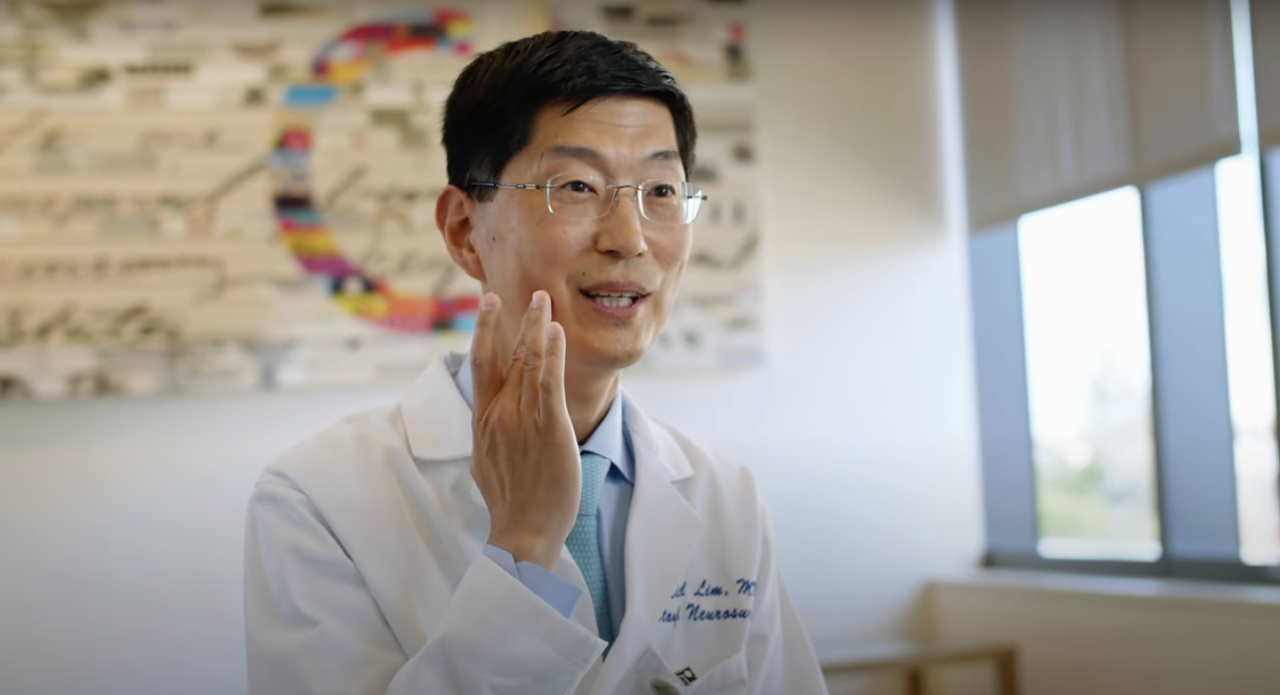


Stanford Medicine Stories
Stanford Medicine magazine highlights stories of innovation, collaboration, and impact. See how we unite our diverse perspectives and collective expertise in research, education, and care for the greater good.
Advancing Medicine
Our world is constantly changing. And every day, Stanford Medicine advances our understanding. Our world-class school of medicine and pediatric and adult health care systems work together, expanding what we know and sharing what we discover. Watch our video to learn more.
Explore Stanford Medicine